The best phone lockboxes, researched and ranked
Independent reviews of time-lock containers, NFC app blockers, magnetic pouches, and Faraday bags for getting your phone out of reach. Each review covers who it's for, who should skip it, and where it sits relative to the alternatives. Research-based recommendations for anyone building a phone-free routine.
See best phone lockboxes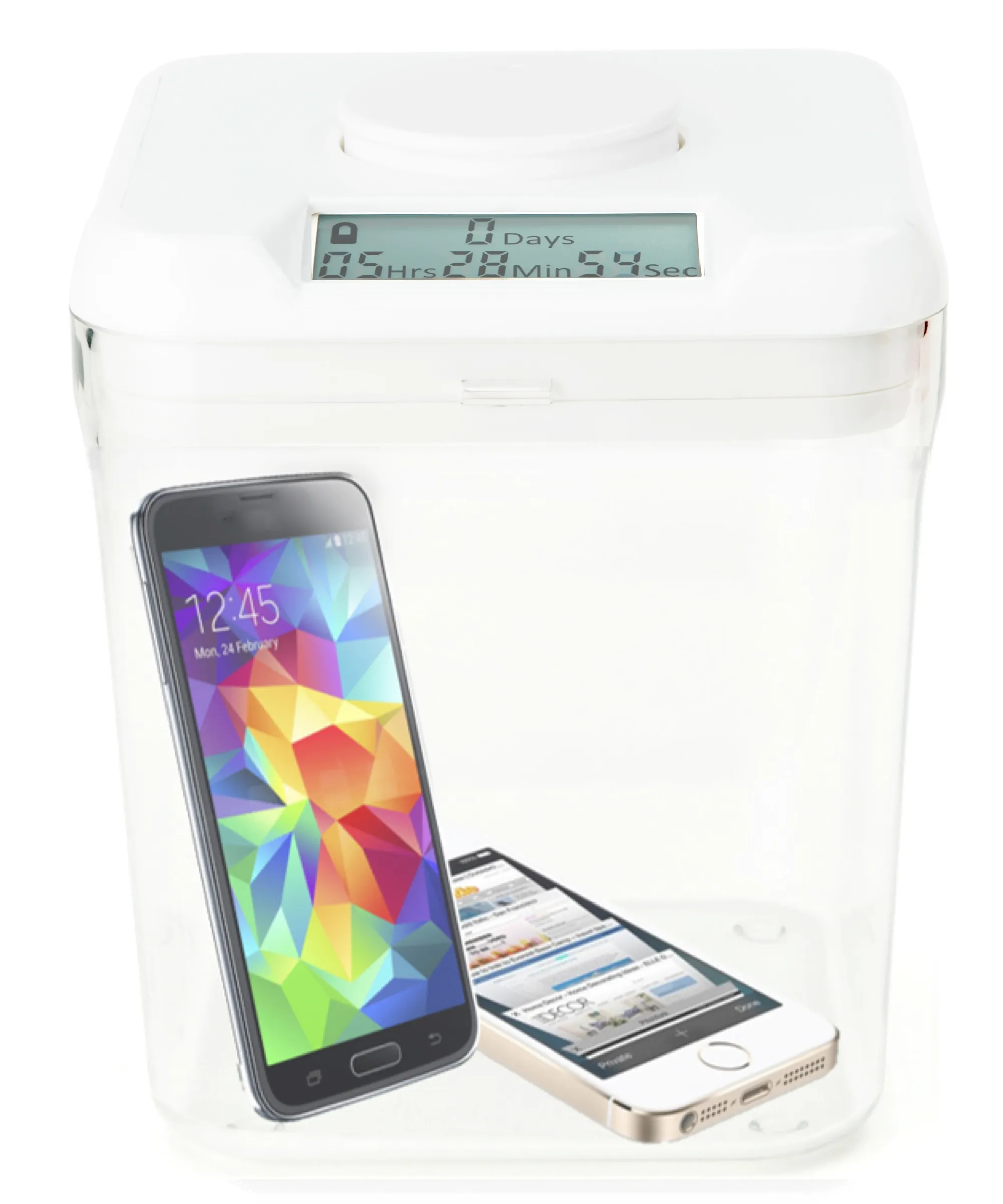
The only option with a fully mechanical timer — no app, no battery, no override. Once set, nobody gets in until time expires. For most people trying to reduce phone use, this is the one to buy.
All phone lockboxes we've reviewed
| Product | Review | Mechanism | Price | |
|---|---|---|---|---|
| Kitchen Safe Time Locking Container | Read review | timer | ~$60 | Buy |
| Brick | Read review | nfc | ~$99 | Buy |
| Unpluq Tag | Read review | nfc | ~$29 | Buy |
| Yondr Pouch | Read review | magnetic | ~$30/pouch | Buy |
| Mission Darkness Faraday Phone Bag | Review pending | faraday | ~$25 | Buy |
| Vaultz Locking Accessories Pouch | Read review | combination | ~$20 | Buy |
Reviews
A mechanical timer you can't argue with — the original phone lockbox that still leads the category.
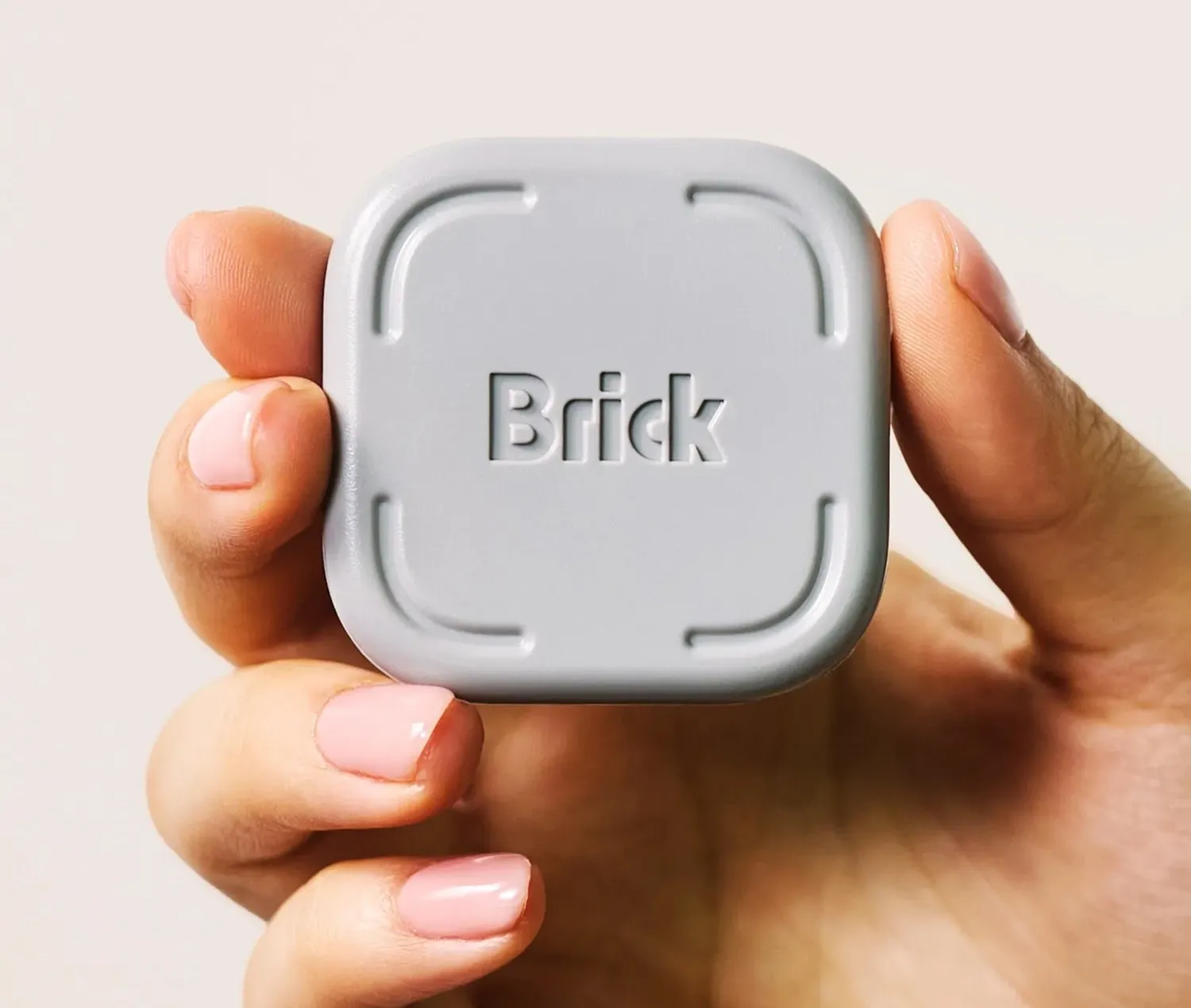
Creates real friction by putting the unlock mechanism in another room — but it's only as strong as the app layer beneath it.

Carry the key on your keychain — apps stay blocked until you tap the tag deliberately to your phone.
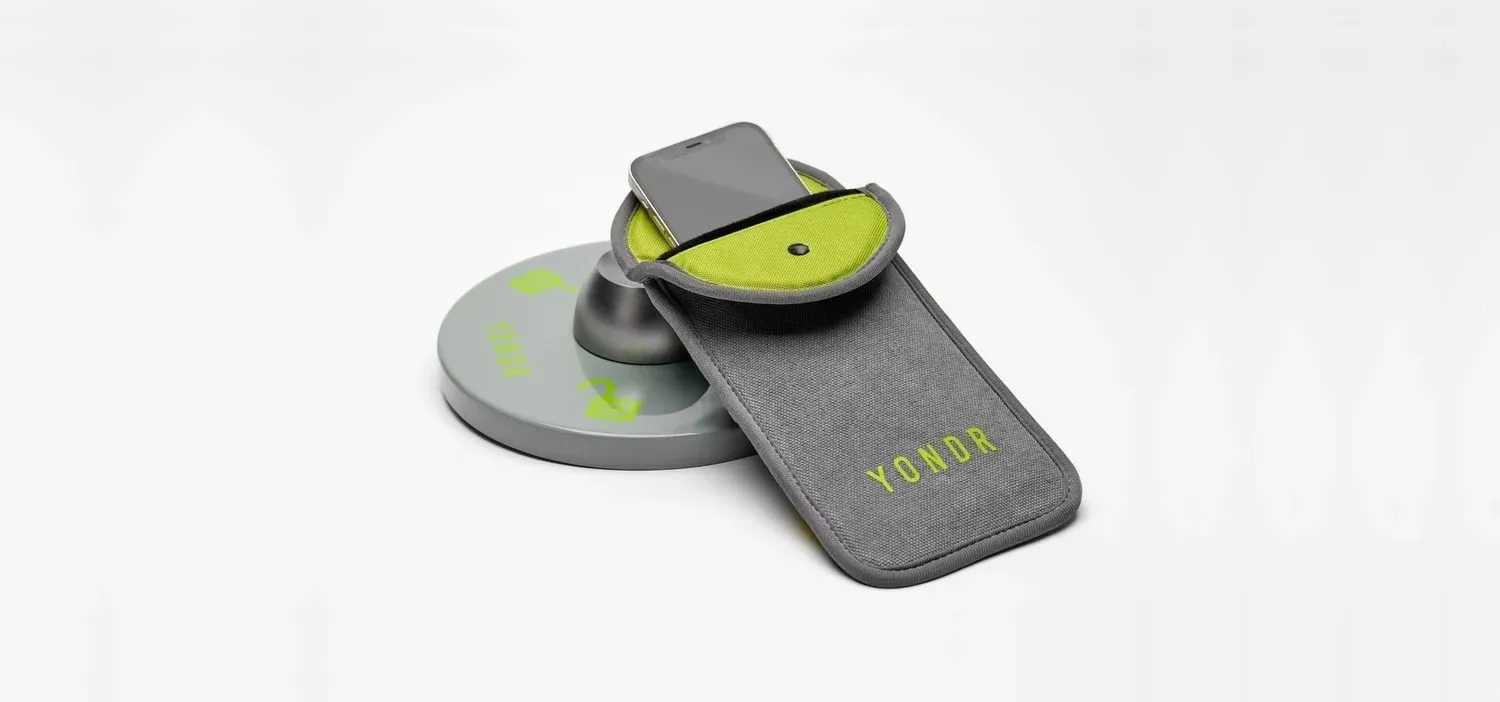
A proven physical lock used in comedy clubs, concert halls, and high schools worldwide — but the unlock-station requirement makes solo personal use complicated.

A real combination lock in a nylon pouch — the cheapest way into a hard lock, with a catch: lose the code and there's no way back in.
Related reading
The structural reasons why sustained focus has become harder, based on attention research, and what it suggests about fixing the problem.
How smartphones change the quality of in-person time with family, what the research shows, and what structural solutions actually work.
The behavioral science behind compulsive late-night phone use, and practical methods for disrupting the pattern.
A practical guide to phone-free time on weekends, based on what research and user experience suggest about making disconnection sustainable.
A research-based overview of how habitual phone use forms, what the most effective interventions are, and how different product categories address the problem.