Why You Doomscroll Before Sleep — The Dopamine Loop and How to Break It
The behavioral science behind compulsive late-night phone use, and practical methods for disrupting the pattern.
The late-night scroll is driven by variable reward, not genuine interest or boredom. Removing the phone from the bedroom is more effective than deciding to stop.
What doomscrolling actually is
Doomscrolling — compulsive scrolling through social media or news feeds before sleep — isn't primarily about the content being interesting. It's driven by a variable reward mechanism: the unpredictability of what the next scroll will show is precisely what makes it hard to stop. Adam Alter's Irresistible (2017) documents how social media platforms are engineered around the same intermittent reinforcement schedules that make slot machines difficult to walk away from. The content doesn't need to be good; it needs to be unpredictable. Each scroll is a lever pull. The expected reward keeps the behavior going long after any conscious interest has faded.
What the dopamine system has to do with it
Anna Lembke's Dopamine Nation (2021) provides a clinical framework for understanding why variable-reward digital environments are particularly difficult to disengage from: the dopamine system responds to anticipation, not delivery. Each scroll anticipates a reward — a notification, something funny, a piece of news — and the anticipation itself drives the behavior, independent of whether the reward arrives. Late at night, when the prefrontal cortex (responsible for deliberate decision-making) is fatigued, the anticipation loop runs with less competition. This is why the late-night scroll is the hardest version of the habit to break through willpower alone: the circumstances that make it most common are also the circumstances in which self-regulation is weakest.
Blue light — real, but not the main problem
A 2015 study by Chang et al. published in the Proceedings of the National Academy of Sciences found that evening use of light-emitting screens was associated with delayed melatonin onset and reduced next-morning alertness compared to reading a printed book. The finding is real, but the behavioral dynamic matters more. A 2019 Brigham Young University study found that night mode made no meaningful difference to sleep outcomes — suggesting that the content and cognitive engagement, not the screen color temperature, drive the disruption. The more significant factor is cognitive and emotional arousal: processing notifications, social comparison, and news content activates the brain in ways incompatible with sleep onset. Reducing blue light while continuing to scroll is optimizing the wrong variable.
What actually breaks the loop
The research consistently points to environmental design over behavioral intention. Buying an alarm clock so the phone doesn't need to be in the bedroom eliminates the late-night scroll more reliably than a decision to stop. If the phone charges in another room, the scroll requires getting out of bed — friction high enough that most people won't do it. The Kitchen Safe time-lock container can serve the same function: set it for the night, put the phone in, and the decision is made in advance rather than moment-to-moment. BJ Fogg's Tiny Habits (2020) and James Clear's Atomic Habits (2018) frame the same approach: reduce motivation requirements by making the desired behavior the default state, not the aspirational one.
What to replace the habit with
Research on habit replacement (rather than pure removal) suggests that a substitute activity in the same time slot is more durable than simply trying to stop. For late-night phone use, common substitutes include paper reading, physical journaling, or structured wind-down routines. The Hobonichi Techo is a practical analog for people who currently use their phone for end-of-day planning or reflection — the same activity, on paper, with no notification surface. What the evidence supports most clearly is that the substitute needs to be ready and frictionless: if the book isn't on the nightstand, it won't be reached for when the phone isn't there.
Related products
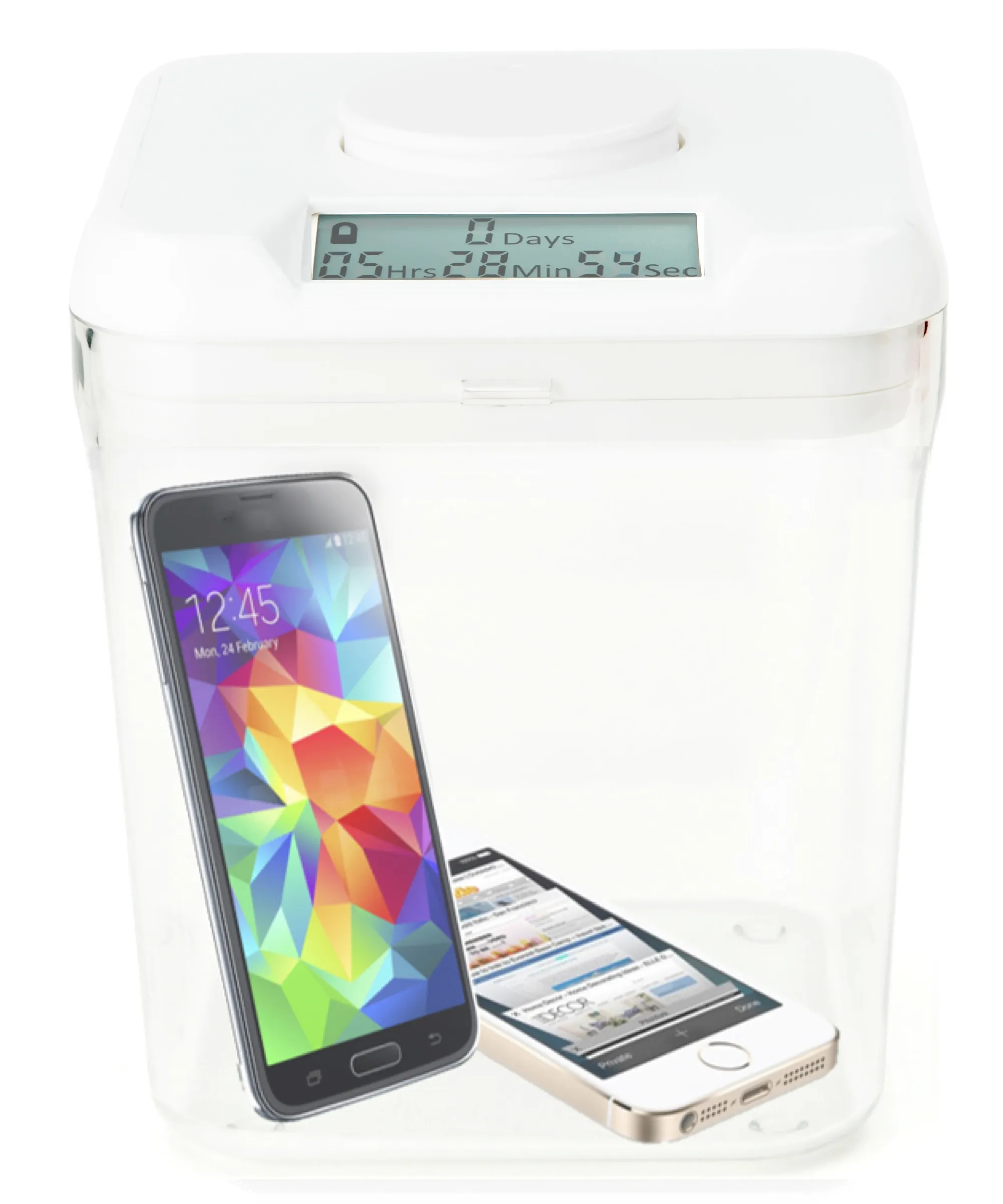
Mechanical timer lid that locks for up to ten days. Once set, there is no override.
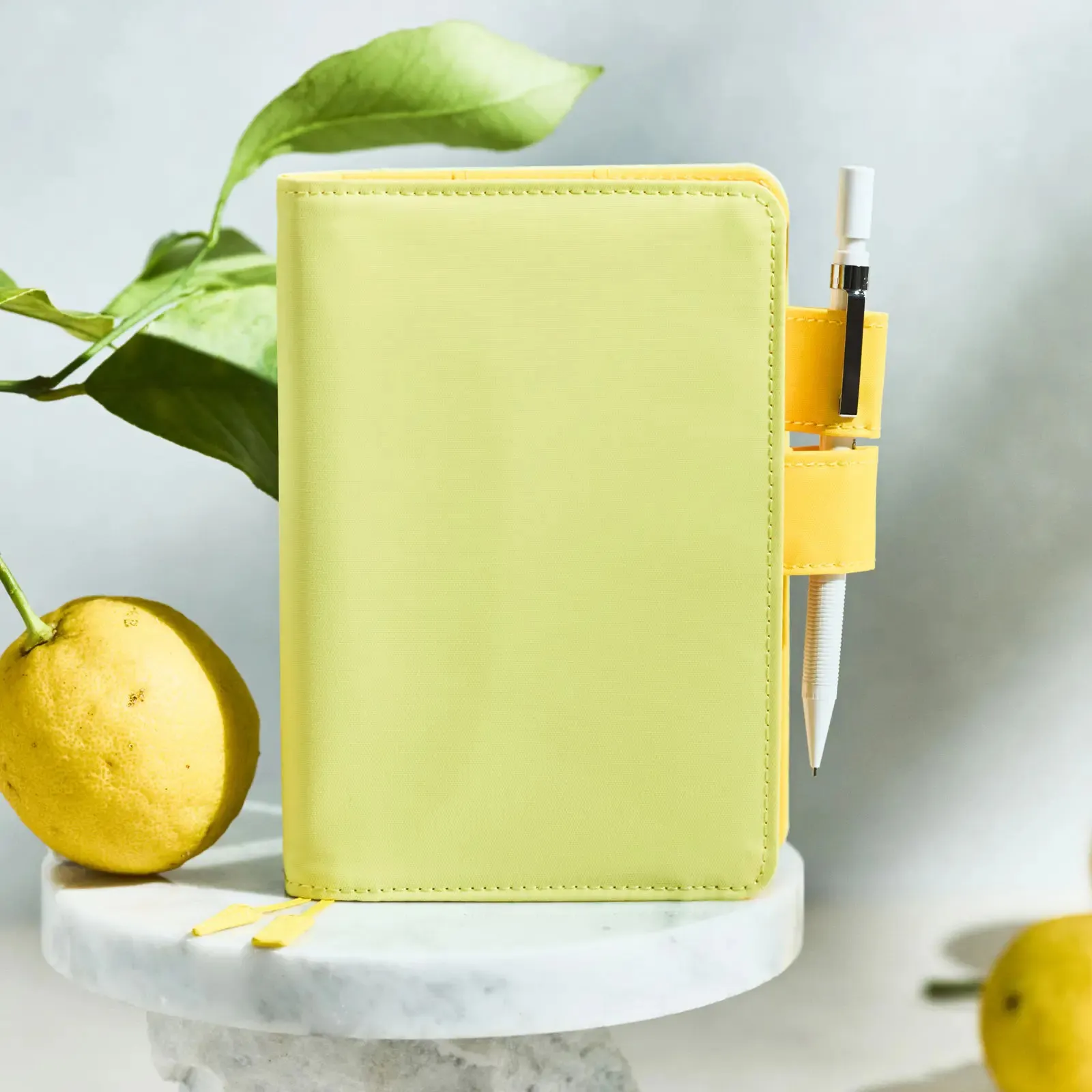
Japanese paper planner on ultra-thin Tomoe River paper. Replaces screen-based calendars and habit trackers with a fully analog planning surface.
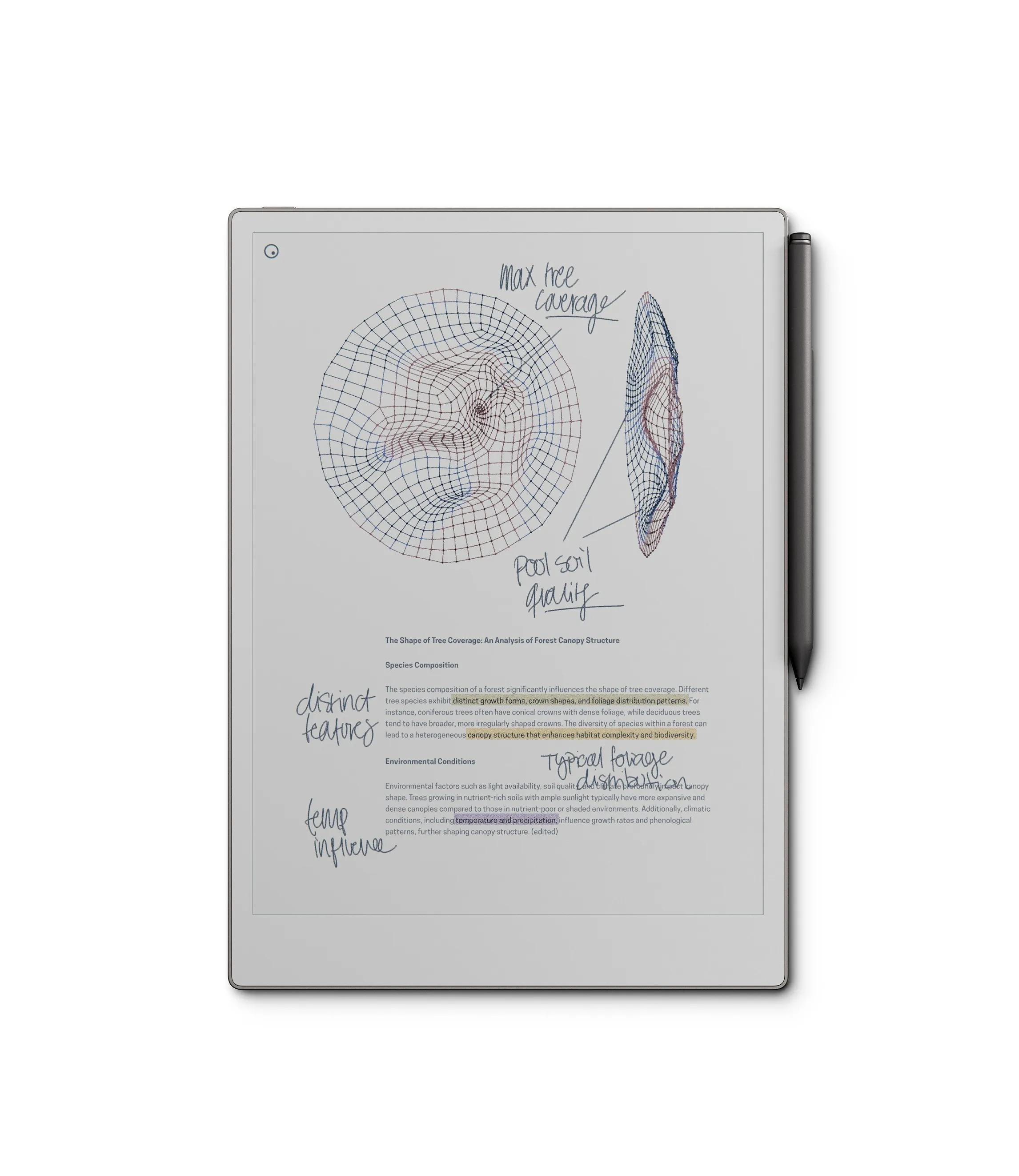
E-ink tablet designed for distraction-free writing and PDF annotation. No web browser, no notifications, no apps — just a paper-like writing surface.