Breaking the Phone Habit — What Research Says, What Products Do
A research-based overview of how habitual phone use forms, what the most effective interventions are, and how different product categories address the problem.
Phone habits are environment-driven, not character-driven. Products that change your environment are more effective than apps that measure your use.
How phone habits actually form
BJ Fogg's Tiny Habits (2020) and Charles Duhigg's The Power of Habit (2012) offer complementary frameworks for understanding how habitual phone use becomes automatic. A habit has three components: a cue (boredom, a pause in conversation, a moment of anxiety), a routine (unlock, scroll, check), and a reward (novelty, social validation, the relief of having checked). The phone habit is particularly robust because the reward is variable — sometimes the check produces something interesting, sometimes it doesn't — which Nir Eyal documents in Hooked (2014) as precisely the schedule that produces the strongest habit formation. The cue- reward loop runs thousands of times per year and becomes genuinely automatic.
Why screen time apps don't work well
Screen time monitoring apps (iOS Screen Time, Android Digital Wellbeing) are widely used and widely reported to be ineffective at changing behavior. The reason is straightforward: they require the user to override a well-established automatic behavior at the moment of peak urge, using a deliberate decision that competes directly with the habit loop. Research on self-monitoring in habit change finds that awareness of use, without an environmental change, produces modest and temporary effects. The phone is still present, still accessible, and still producing the same cues. Knowing you've spent four hours on social media doesn't change the environment that produced four hours on social media.
What actually changes behavior
The consistent finding from habit research and behavioral economics is that friction and environmental design outperform motivation and monitoring. Fogg's framework specifically: reduce friction for desired behaviors (put a book on the nightstand), and increase friction for unwanted ones (put the phone in another room, or in a time-lock container). James Clear's Atomic Habits (2018) makes the same argument: "make it hard" is one of the four laws of behavior change. The products in this category — lockboxes, NFC blockers, minimal phones — are, at their core, friction-increasing devices. They don't require you to be more motivated; they change what the default behavior is.
What each product type does, specifically
Time-lock containers (Kitchen Safe) remove the phone entirely for a set period. NFC blockers (Brick, Unpluq) block specific apps while keeping the phone available for calls and texts. Minimal phones (Light Phone II, Punkt MP02) replace the smartphone with a device that lacks the apps driving most habitual use. Kid-safe phones (Gabb, Pinwheel, Bark) apply parental-control versions of the same logic to a child's device. Each approach targets a different point in the habit loop — lockboxes address the cue by making the phone inaccessible, NFC blockers add friction to specific routines, minimal phones eliminate the problematic features entirely.
Where to read further
If you want to go deeper on any part of this argument, the most useful starting points are Cal Newport's Digital Minimalism (2019) — the most practical book for someone deciding which products to buy — and BJ Fogg's Tiny Habits (2020), which is the best guide to actually using them once you have. For the design-side argument (how apps are built to form habits), Adam Alter's Irresistible (2017) covers the mechanism clearly. The frameworks in this guide draw on all three, plus Duhigg, Clear, Eyal, Hari, and Haidt — referenced here as the underlying research base, not as endorsers of any specific product on this site.
Related products
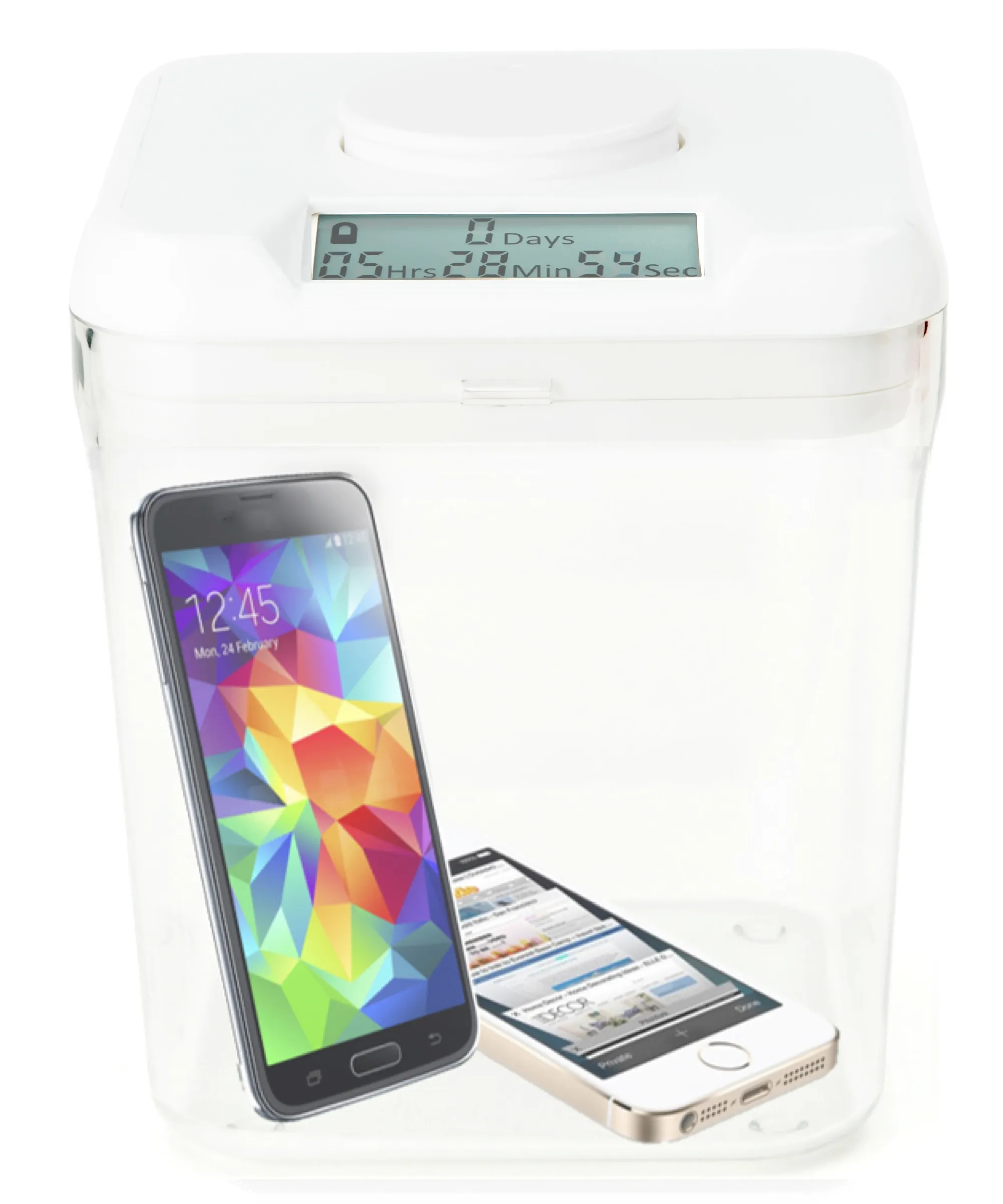
Mechanical timer lid that locks for up to ten days. Once set, there is no override.
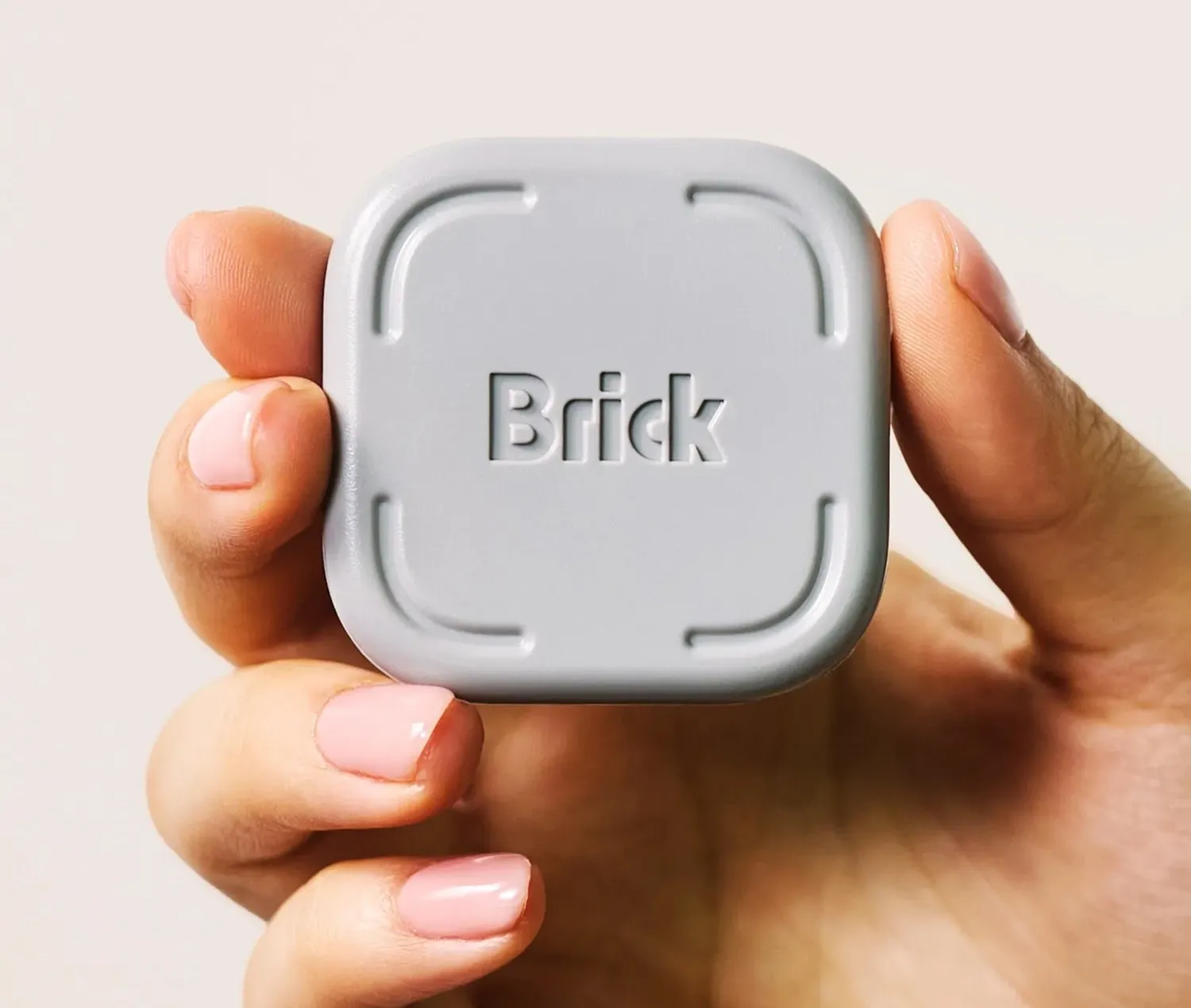
NFC plug-in device that blocks chosen apps until you physically walk to it and tap your phone.
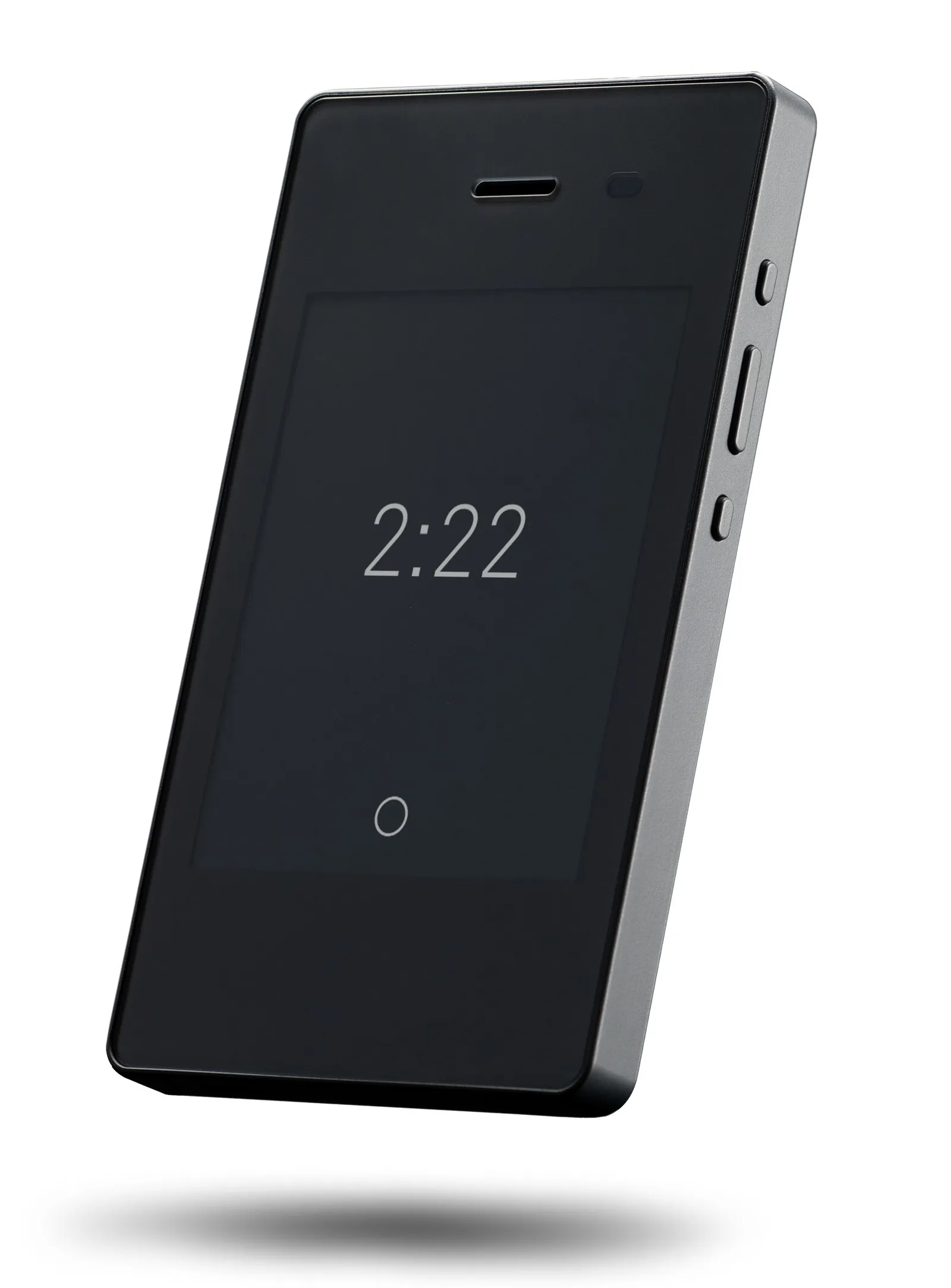
Minimal 4G phone with an e-ink screen. Calls, texts, and a curated set of tools — no browser, no social media, no app store.
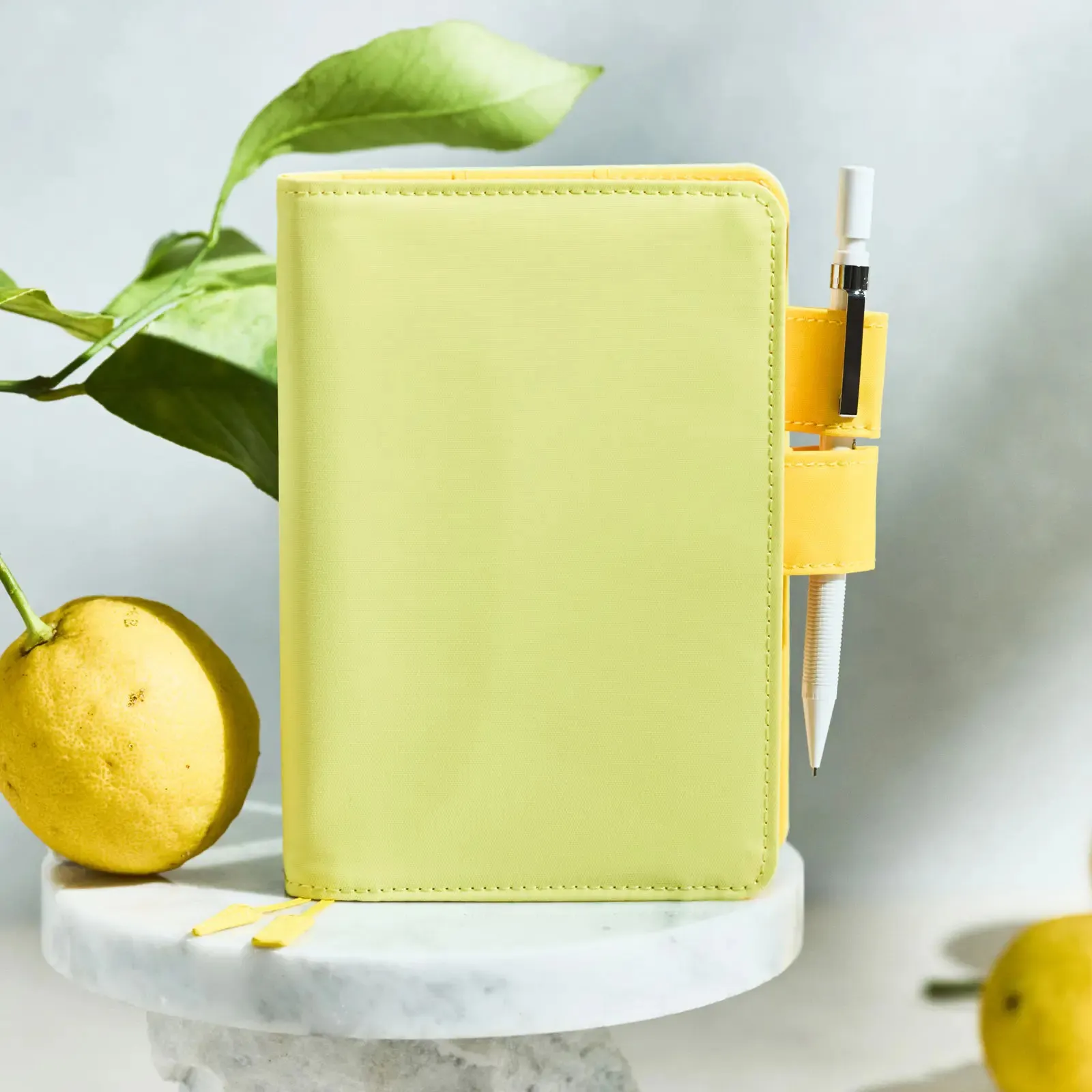
Japanese paper planner on ultra-thin Tomoe River paper. Replaces screen-based calendars and habit trackers with a fully analog planning surface.