Why You Can't Focus at Work — and What's Actually Broken
The structural reasons why sustained focus has become harder, based on attention research, and what it suggests about fixing the problem.
Fragmented attention is a design outcome, not a personal failing. Fixing it requires changing the environment, not trying harder.
The problem is structural, not personal
If your ability to concentrate has gotten worse over the past decade, you are not imagining it. Research by Gloria Mark at UC Irvine found that the average time spent on a single screen before switching fell from around 2.5 minutes in 2004 to 47 seconds by the early 2020s. The mechanism isn't that people got lazier or less disciplined. The mechanism is that the tools most people use for work are the same tools engineered — deliberately, by well-funded teams — to interrupt attention as frequently as possible. The phone is not neutral. It is, by design, the most attention-competitive object in the room.
What interrupted attention actually costs
Cal Newport's work on knowledge work (documented in Deep Work, 2016) argues that the ability to concentrate without distraction on cognitively demanding tasks is becoming both rarer and more valuable. Gloria Mark's lab research finds that it takes roughly 23 minutes to fully return to a task after an interruption. In practice, most knowledge workers experience dozens of interruptions per day, which means most people never fully enter the concentrated state their most valuable work requires. The cumulative cost is not occasional — it is the default state of working on a connected device.
What the phone specifically does to focus
The smartphone is not just another distraction — it is a distraction machine that lives in your pocket and on your desk. Research published in the Journal of the Association for Consumer Research (Ward et al., 2017) found that the mere presence of a smartphone on a desk — even face-down and silent — reduced available cognitive capacity compared to having the phone in another room. The implication is that the fix is physical, not behavioral. Moving the phone out of the room produces measurable attention benefits that willpower does not.
What actually works
The most consistent finding across the attention research is that environmental design outperforms intention. If the phone is in the same room, most people will reach for it. If the phone is in another room, most people won't. This is the premise behind tools like the Kitchen Safe (time-lock container) and Brick (NFC app blocker) — they make the phone physically or functionally unavailable, removing the decision entirely. Newport's Digital Minimalism (2019) extends this logic: the goal isn't reduced phone use as such, it's intentional phone use — you determine when and why the phone is available, rather than responding to its pull continuously.
A practical starting point
The most reliable focus intervention for working hours is physical separation combined with a scheduled reintegration time. Set one 90-minute block in the morning where the phone is in a drawer or separate room. Work through what you would usually interrupt yourself to check, before the block starts. Most people find that what feels urgent enough to interrupt a work session is not actually urgent enough to need to act on immediately. The compulsion to check is separate from the value of checking. Testing this reliably — not once, but for a week — produces clearer evidence of the actual cost than any amount of reading about the subject.
Related products
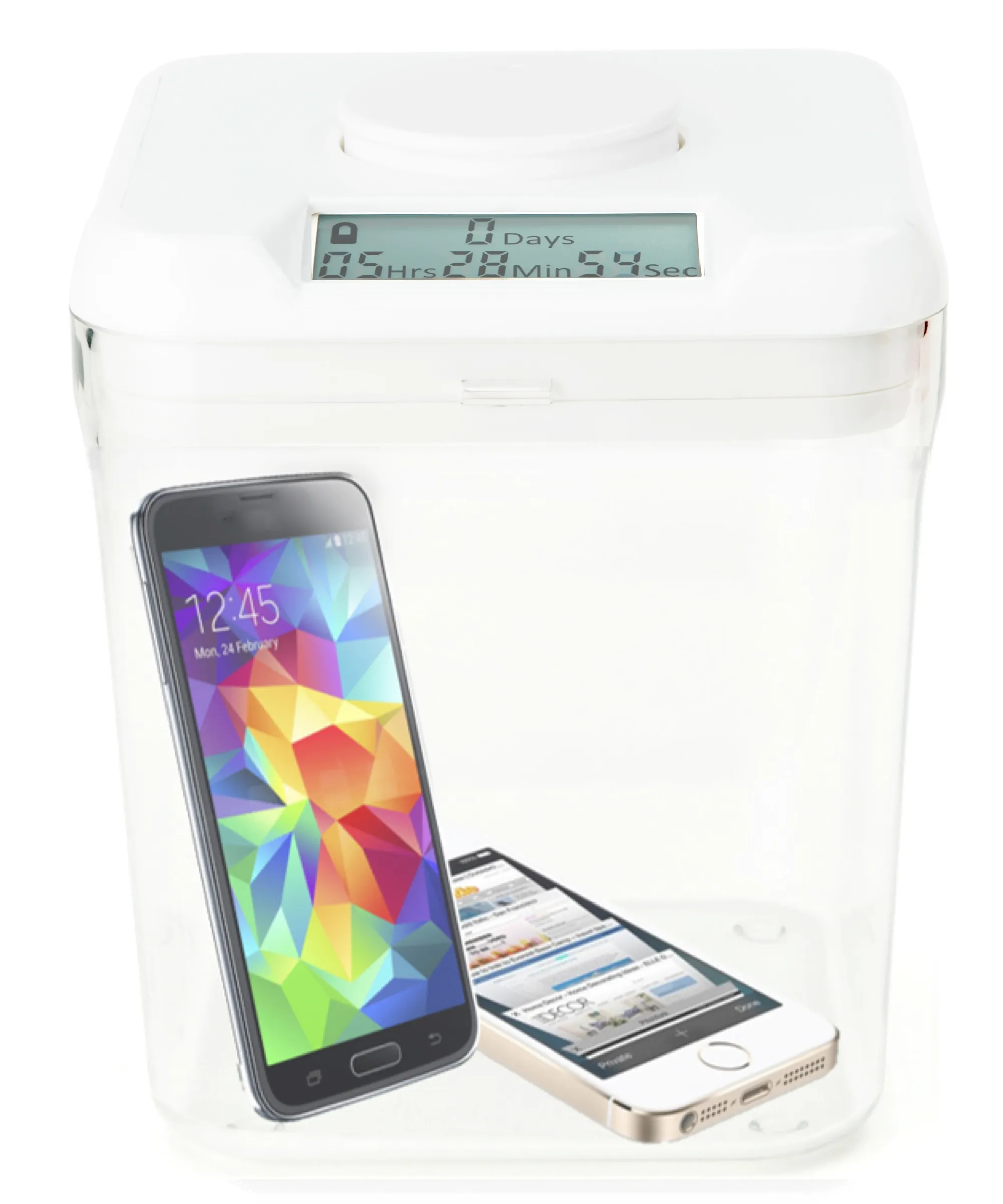
Mechanical timer lid that locks for up to ten days. Once set, there is no override.
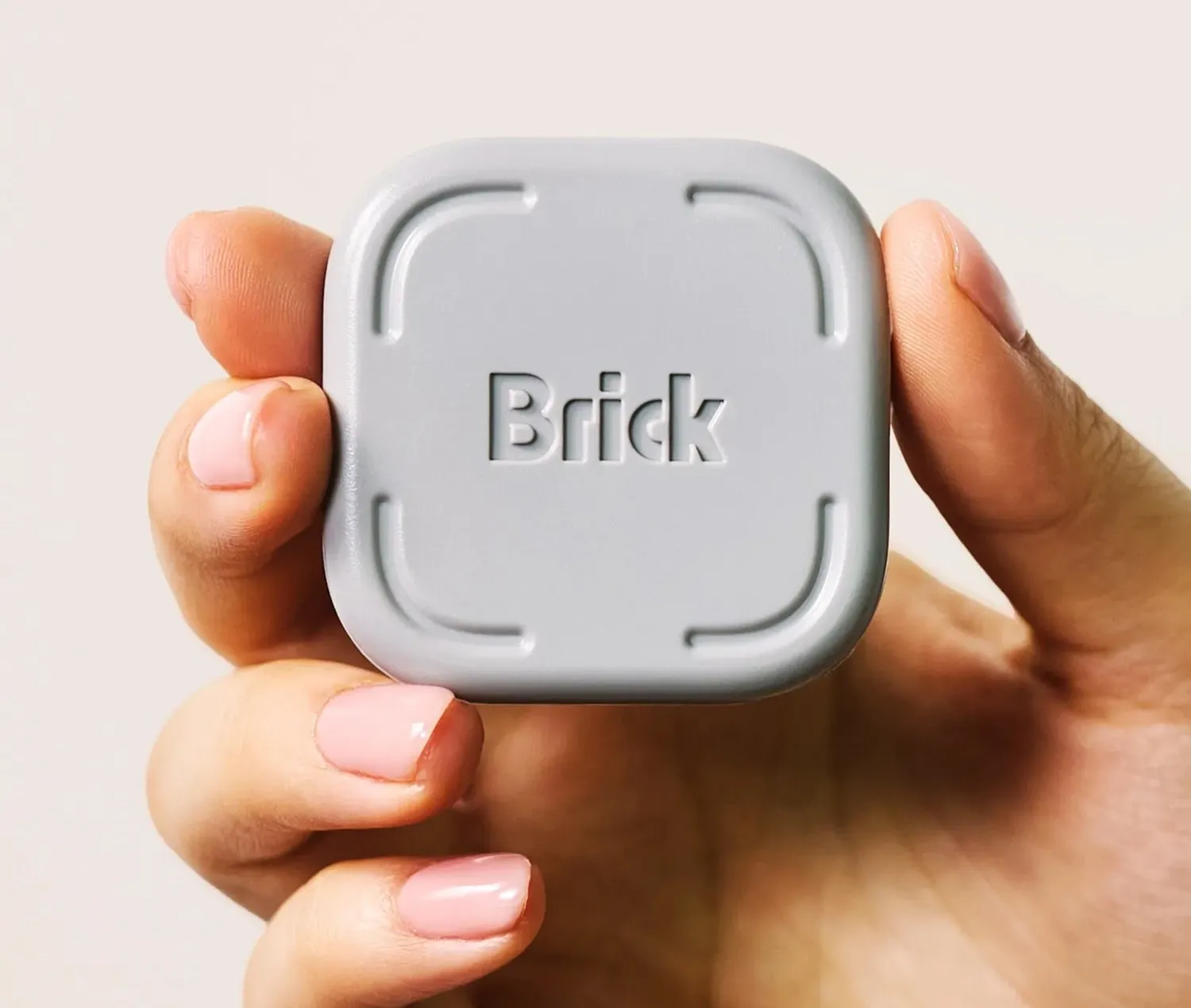
NFC plug-in device that blocks chosen apps until you physically walk to it and tap your phone.
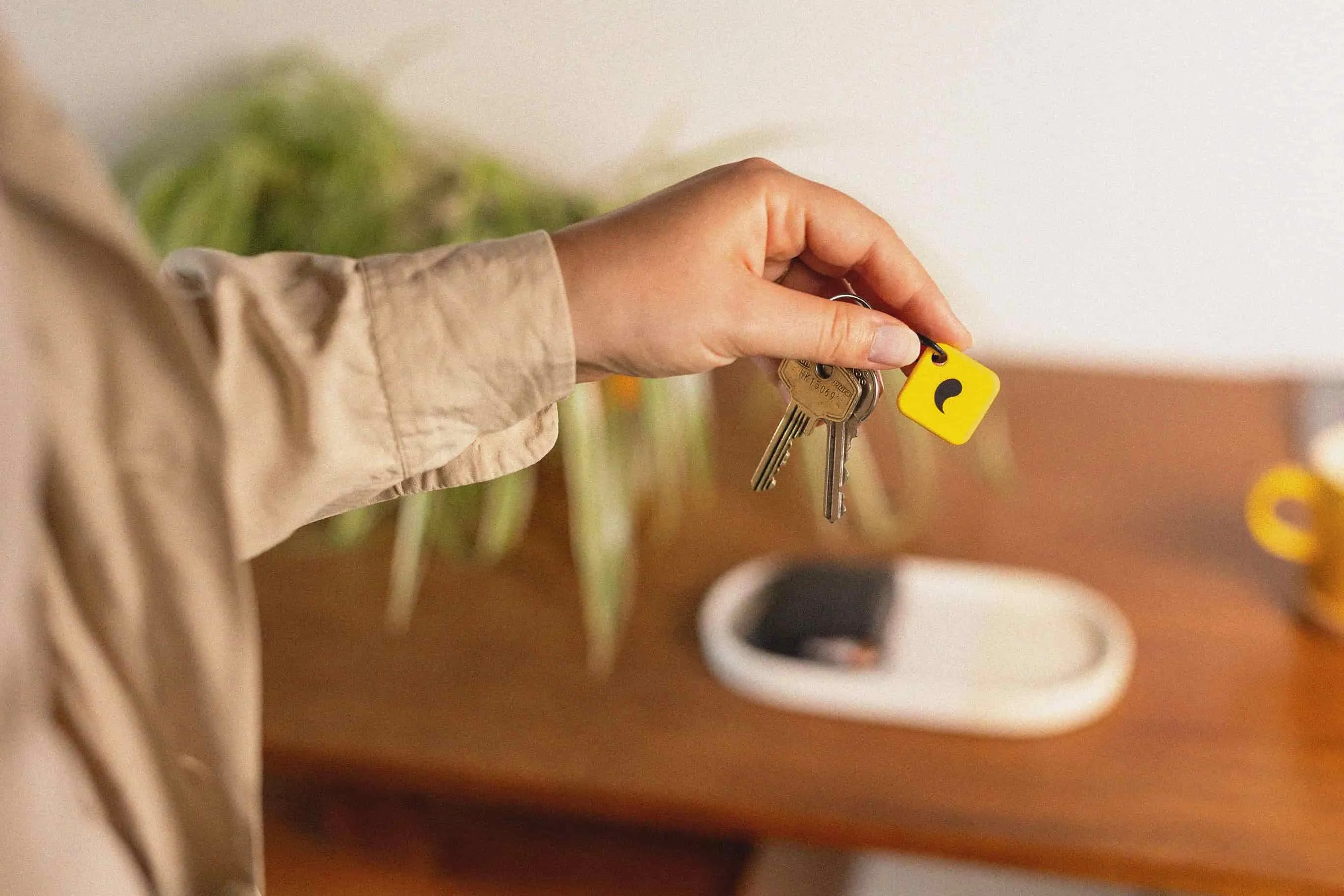
Passive NFC keychain tag. Apps stay blocked until you tap the tag deliberately to your phone — adding friction without a hard lock.