The Anxious Generation — A Parent's Playbook
What Jonathan Haidt's research says about smartphones and adolescent mental health, and what parents can realistically do about it.
Haidt's core recommendation is delayed smartphone adoption and phone-free schools — two structural choices that don't require constant enforcement.
What Haidt actually argues
Jonathan Haidt's The Anxious Generation (2024) makes a specific causal argument: the rapid rise of smartphone ownership among adolescents from around 2012 onward correlates with, and Haidt argues caused, a significant increase in adolescent anxiety, depression, and self-harm — particularly among girls. The proposed mechanisms are threefold: smartphones displace in-person social time; they expose adolescents to social comparison and cyberbullying at a developmentally vulnerable period; and they fragment the sleep and attention that adolescent development requires. It's worth noting that the causal claims are contested among researchers, but the correlational evidence is robust, and Haidt's practical recommendations are relatively modest.
Haidt's four norms
Haidt proposes four broad norms for parents and schools: no smartphones before high school (feature phones are acceptable earlier); no social media before 16; phone-free schools; and more unsupervised outdoor play. These aren't primarily about aggregate screen time — they target the specific combination of social media, constant connectivity, and adolescent social development. The Wait Until 8th pledge (waituntil8th.org) — asking parents to pledge together to delay smartphone ownership until at least 8th grade — is aligned with this position. The collective aspect matters: a child without a smartphone in a peer group where everyone else has one faces real social costs.
The collective action problem
The hardest part of delaying smartphone adoption is that it's harder to do alone. A child who doesn't have a smartphone when their peers do faces social exclusion in contexts that now happen primarily through smartphone messaging. This is why Haidt and others emphasize collective action — parents pledging together, or schools implementing phone-free policies — over individual family choices. Individual families can still make the choice (many parents report their children adapted); but the social cost is real and worth acknowledging rather than dismissing.
What to give a child instead of a smartphone
For children who need a phone for safety and logistics — calls, texts, GPS — a purpose-built device without internet access is a credible alternative to a smartphone. The Gabb Phone is designed precisely for this: calls, texts, and GPS only, with no browser and no app store available to the child. For slightly older children who need some app access, the Pinwheel is an Android phone with a parent-managed marketplace. Neither is a perfect substitute for a smartphone — that's the point. The Bark Phone is a monitoring-oriented option for older teens where hard blocking is no longer appropriate but parental visibility matters.
What research suggests about interventions
Research on media restriction and adolescent mental health is still developing. What the evidence does support: phone-free schools produce measurable improvements in student focus and reduced cyberbullying incidents, based on Haidt's review of school-level research. Individual family rules around no-phone bedrooms and phone-free dinner tables are associated with better sleep and family communication in several studies. These are not dramatic fixes — they are modest, consistent improvements to an environment that has shifted significantly in a short period.
Related products
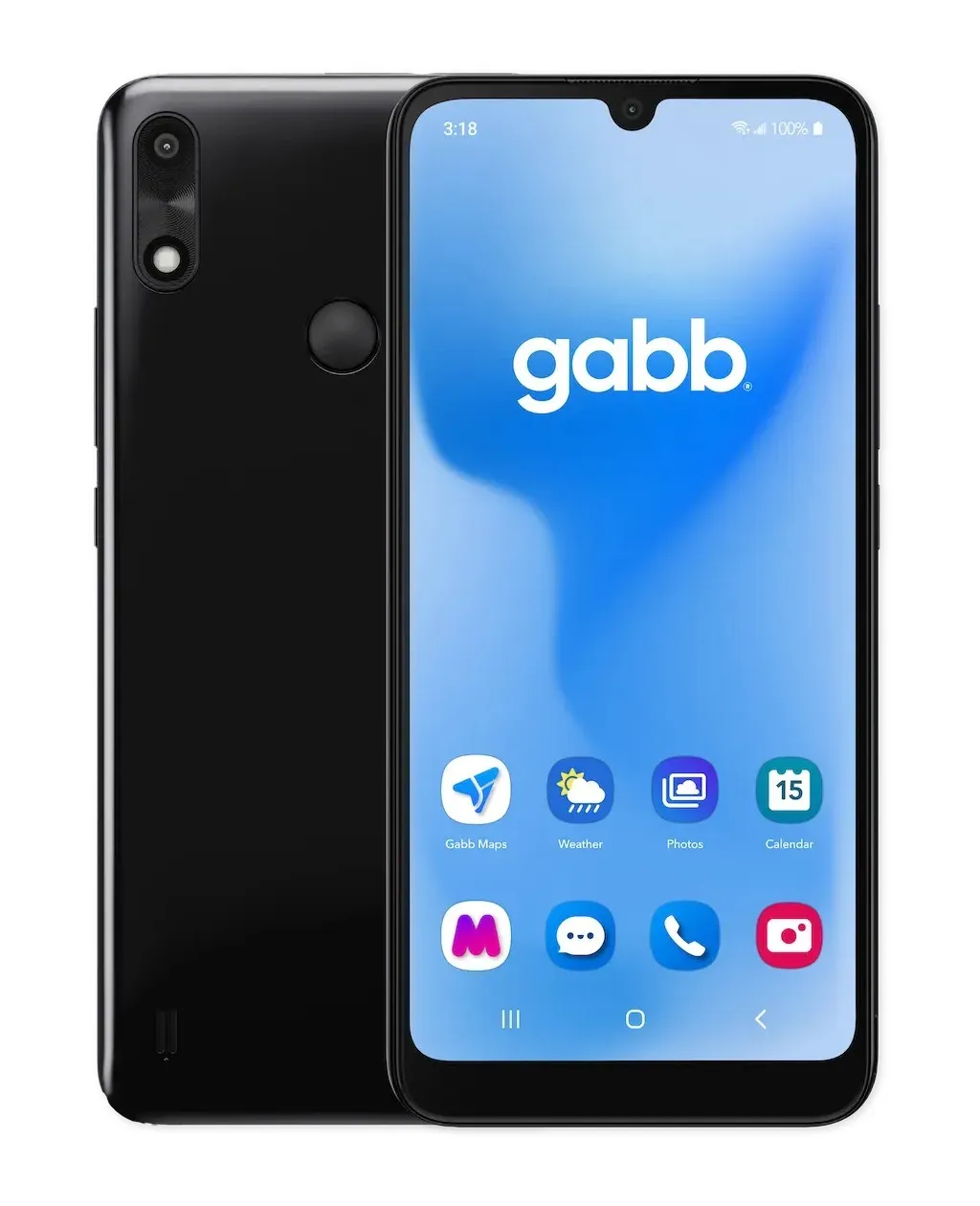
Purpose-built kids' phone with no browser, no social media, and no app downloads. GPS for parents, calls and texts for the child.
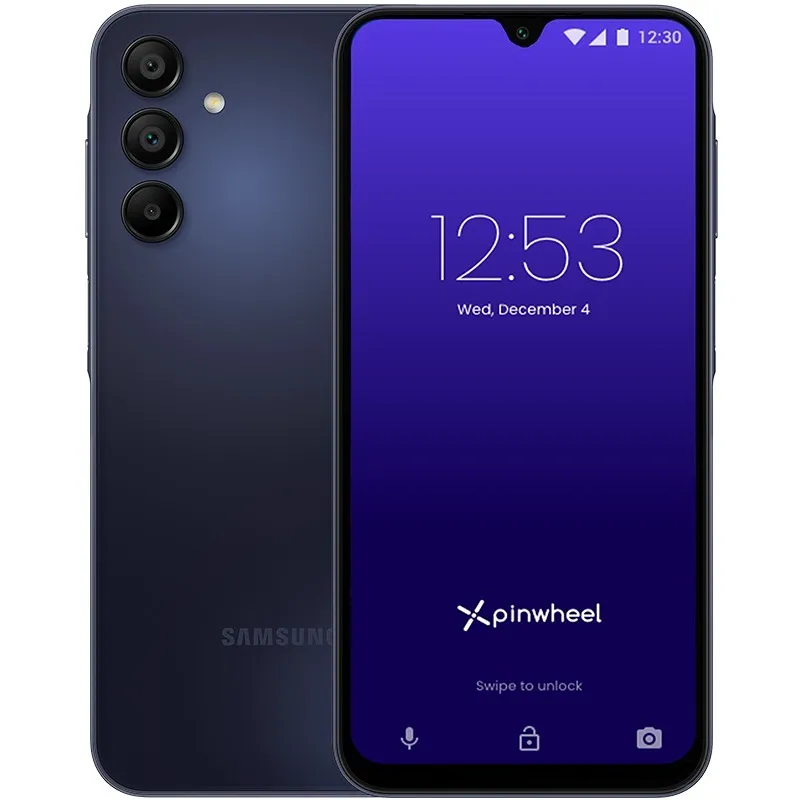
Android phone with a curated app marketplace and parent-controlled permissions that expand as the child earns more access.

Android phone with Bark's AI monitoring built in. Alerts parents to concerning content rather than blocking everything — designed for older kids who need more independence.